
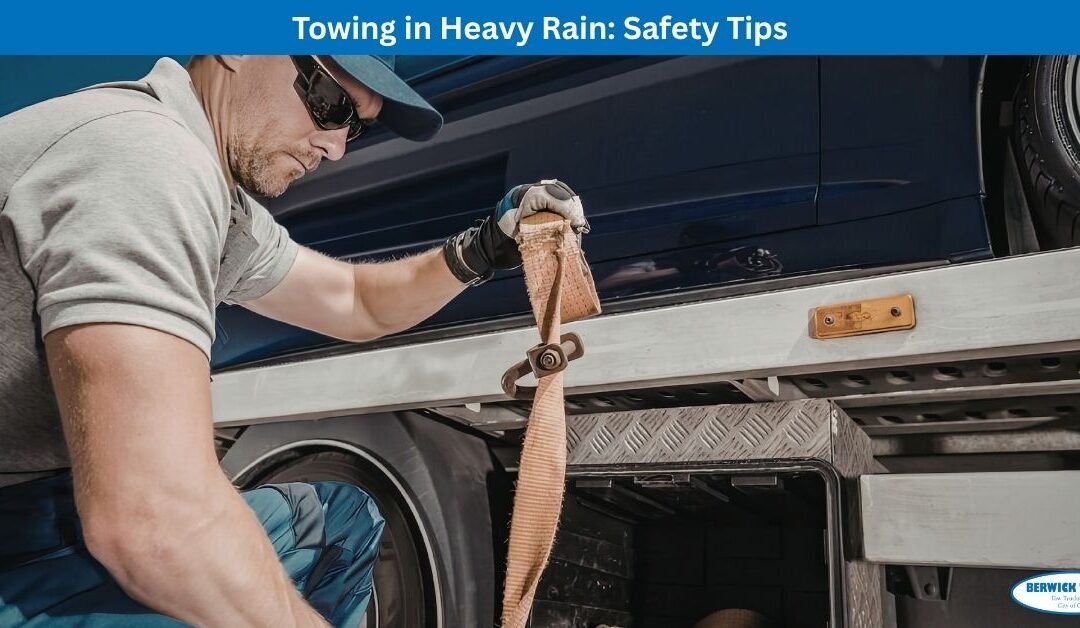
Towing may seem straightforward, but it requires awareness, preparation, and the right techniques to ensure both your safety and the safety of others on the road. Whether you’ve called a professional towing service or you’re simply waiting for one during a breakdown, understanding essential towing safety tips can make a big difference. Many accidents occur because drivers panic, lack knowledge, or fail to follow basic safety steps. This guide explains key safety measures that every driver should know to stay protected during a roadside emergency involving towing.
Understanding the Importance of Roadside Safety
The first step in towing safety is understanding why roadside safety matters so much. Roads are busy environments, and stopping unexpectedly can place you in immediate danger. Drivers approaching your vehicle might not realise quickly enough that you’re stationary, especially at night or during poor weather conditions. Remaining calm and making your car visible can significantly reduce risks. Many roadside accidents happen because drivers stand too close to moving traffic or sit inside a broken-down car on a busy highway. Staying aware of your surroundings helps you make better decisions, like stepping away from the road’s edge, positioning your hazard lights early, and keeping yourself in a secure location. The goal is to alert other drivers and create a safe space until a tow truck arrives.
How to Prepare Your Vehicle Before Help Arrives
Preparing your vehicle while waiting for a tow truck is another key part of staying safe. Once your car breaks down, the first action should be to move it to the safest possible location. Even moving a few metres off the driving lane can prevent collisions. Turning on hazard lights immediately allows other motorists to recognise that something is wrong. If you have reflective triangles or emergency lights, placing them at safe distances behind your vehicle offers additional warning. After securing your car’s visibility, turn off the engine to avoid further damage or overheating. If the issue is fuel, electrical misuse, or overheating, waiting inside the car is not ideal unless you’re in a completely safe area. You should also gather essential items such as your phone, wallet, and necessary documents in case you need to exit the vehicle quickly. Preparing your car in these simple ways ensures safer waiting and smoother towing.
Communicating Clearly with the Tow Truck Operator
Once the tow truck arrives, communication becomes vital for safety and efficiency. Many drivers feel stressed during a breakdown and forget to mention important details, which can make the process longer or unsafe. When speaking with the tow truck operator, clearly describe what happened to your vehicle so they know the best towing method to use. If the vehicle has been involved in an accident, has tyre damage, or is stuck in a dangerous position, letting the operator know helps them take proper precautions. Keeping a safe distance while the tow truck operator works is essential because the equipment they use is powerful and potentially hazardous. Standing behind or too close to the vehicle while it is being lifted can lead to injury. Trust the operator’s instructions and avoid touching or interfering with their tools. Clear communication, cooperation, and awareness create a safer environment for both you and the towing professional.
Staying Safe While Your Car Is Being Towed
Once the tow truck begins securing and lifting your vehicle, you should remain focused on safety. Many drivers tend to walk around the area or check their car closely during loading, but this can be dangerous. Towing equipment involves high tension, heavy lifting, and moving parts, all of which should only be handled by the operator. Keeping a safe distance ensures you won’t be accidentally injured if something shifts or slips. If you are riding with the tow truck driver, always buckle your seatbelt and follow any instructions given. If you prefer to arrange your own transport, make sure you leave the area safely and avoid disrupting the towing process. It’s also important not to follow too closely behind the tow truck if you’re driving separately. Towed vehicles require extra space during turns, braking, and lane changes. Staying alert throughout the process ensures your safety until your vehicle reaches the destination.
What to Do After Your Vehicle Has Been Towed
Once your vehicle has been successfully taken to its destination, your responsibility is not completely over. You should inspect your car visually to ensure everything appears secure and that it has been delivered without further damage. Tow truck operators are trained to prevent additional harm, but double-checking can give you peace of mind. If your car was taken to a repair centre, communicating the issue clearly to the mechanic helps them diagnose the problem efficiently. If it was moved to your home, avoid attempting repairs you are not confident about. Many breakdowns involve safety-sensitive components such as brakes, tyres, or electrical wiring, and leaving these repairs to professionals is always better. Ensuring that your vehicle is properly assessed and repaired reduces the risk of future breakdowns and makes your next drive safer. Taking the right steps after towing helps protect you and your car in the long run.
Contact Us
Berwick Towing & Transport
27B William Rd
Berwick VIC 3806
(03) 7035 7815
www..berwick-towing.com.au/