
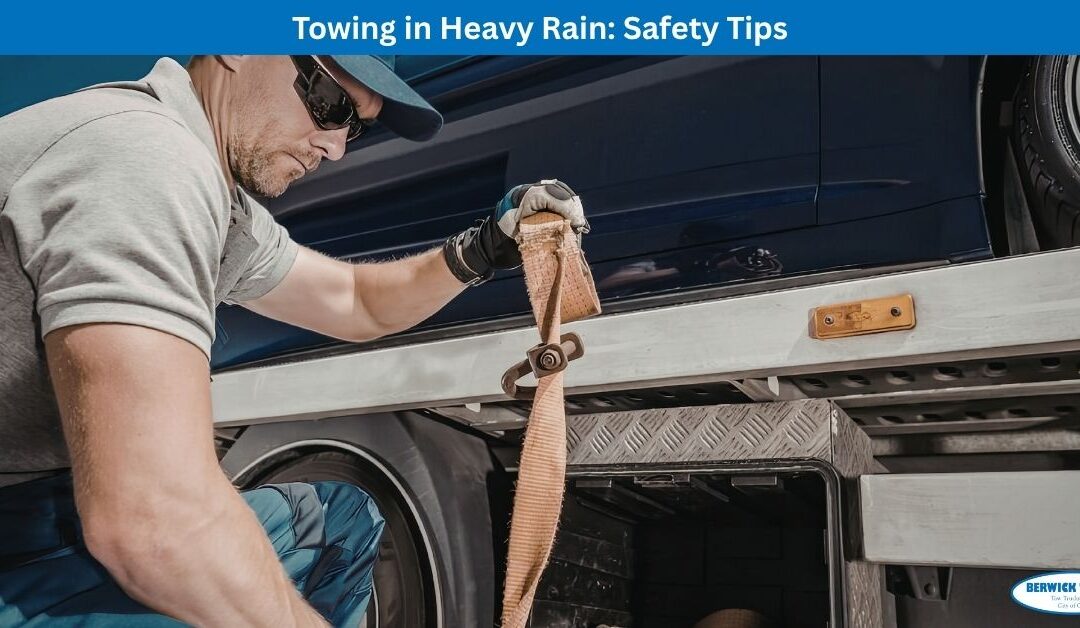
Heavy rain is one of the most challenging weather conditions for both drivers and towing professionals. Reduced visibility, slippery roads, and unpredictable traffic behaviour all contribute to a higher risk of accidents and breakdowns. When a vehicle needs towing during a downpour, safety becomes even more important. Understanding how to handle towing situations in heavy rain can help protect drivers, passengers, and tow truck operators. This detailed guide explores the essential precautions, preparation steps, and procedures that ensure a safe towing experience in wet weather.
Understanding the Risks of Towing in Heavy Rain
Towing in heavy rain presents unique hazards that do not exist in normal driving conditions. The roads become slippery due to a mixture of water, oil, and debris, which reduces tire traction and increases stopping distances. A tow truck pulling an extra load is more difficult to control, making any sudden movement dangerous. In addition, heavy rain decreases visibility for both the tow truck driver and other motorists. Water on the windshield, reflections from headlights, and fogged windows make it harder to judge distances and identify obstacles. Even slight miscalculations can lead to collisions or skidding.
Another risk during towing in rain is hydroplaning. When a vehicle’s tires fail to maintain contact with the road surface due to excessive water, the truck and the towed vehicle can both slide uncontrollably. This is especially hazardous when towing heavier vehicles, as the additional weight makes it harder to regain control. Electrical issues are also common during wet weather. Water can interfere with lighting systems, making brake lights, indicators, and hazard lights malfunction. This increases the difficulty of communicating with other drivers on the road.
Heavy rain also impacts roadside conditions. Soft shoulders, puddles, and uneven surfaces can cause the tow truck to sink or lose stability when hooking up a vehicle. Tow operators must work carefully to avoid stepping on slippery surfaces or being exposed to passing traffic that may not see them clearly. All these risks require careful planning and strategic decisions to keep everyone safe during rainy towing operations.
Preparing Your Vehicle for Towing in Rainy Conditions
Preparation is the foundation of safe towing, especially in heavy rain. The tow truck driver must ensure that the truck and all equipment are in proper working condition. This includes checking headlights, hazard lights, tow lights, brake systems, windshield wipers, and defoggers. Functional lighting is crucial because other drivers rely on visual cues to understand the tow truck’s movements. Bright, clear lights help reduce the risk of rear-end collisions in low-visibility environments.
Towing equipment should also be inspected thoroughly. Wet conditions make chains, straps, and hooks more prone to slipping. Ensuring that all tools are clean, rust-free, and strong enough to handle the weight of the towed vehicle is essential. The operator must confirm that tow straps are not frayed and that winch cables are properly lubricated to avoid snapping. Hydraulic lift systems should also be tested before hitting the road.
The vehicles involved must be secured properly to prevent shifting during transport. Rainwater can make surfaces slippery, so the operator must double-check all tie-down points. Wheel straps should be tightened more than usual to compensate for reduced friction. The truck’s tires must also have enough tread depth to grip wet roads. Worn-out tires significantly increase the risk of skidding. A tire pressure check is equally important, as incorrect pressure affects traction and braking.
Drivers should also adjust their mindset before towing in heavy rain. Patience and alertness are key qualities needed for a safe journey. It is important to plan the safest route, avoiding flooded areas or roads with poor drainage. If the rain becomes too heavy, the operator should consider waiting for improved conditions rather than risking a dangerous tow.
Safe Driving Techniques for Towing in Wet Weather
Once the tow truck is on the road, driving behaviour becomes the most critical part of staying safe in heavy rain. The driver must reduce speed significantly. Lower speeds give more time to react and decrease the chances of hydroplaning. Smooth, controlled steering movements are essential, as sudden turns can cause the towed vehicle to sway. Heavy rain requires increased following distance because wet roads can double or triple stopping distances.
Braking should be gradual and gentle. Abrupt braking can lock the wheels and cause skidding. Tow truck operators should rely on engine braking when possible, which reduces the speed of the vehicle without applying full pressure on the brakes. Maintaining a consistent speed is important to avoid instability. When driving downhill, extra caution is needed because the momentum of the towed vehicle can push the tow truck forward.
The driver must remain aware of changing road conditions. Some sections may have deeper puddles than others. It’s important to avoid driving through large pools of water because the water may cause hydroplaning, hide potholes, or damage engine components. Roads near construction sites often accumulate mud, which becomes even more slippery when mixed with rain.
Visibility must be managed constantly. The operator should adjust the wiper speed, use low-beam headlights, and ensure the cabin windows are defogged. High beams should not be used in heavy rain, as the light reflects off water droplets and reduces clarity. Mirrors should be checked frequently because the towed vehicle can shift slightly during movement. Continuous awareness helps the driver maintain control and predict potential hazards.
Ensuring Safety for the Broken-Down Vehicle and Its Occupants
In a heavy rain situation, the safety of the driver and passengers of the broken-down vehicle is just as important as the towing process itself. The first step is ensuring that they are moved to a safe location away from traffic. Standing beside a disabled vehicle on a wet, busy road is extremely dangerous. Tow truck operators should instruct them to remain inside the truck or move to a sheltered area until the vehicle is fully secured.
Once the operator arrives, they must position the tow truck strategically to create a safe working environment. Activating hazard lights, placing reflective warning signs, and wearing high-visibility rain gear help ensure that approaching drivers can see the operator clearly. The process of attaching the disabled vehicle must be performed carefully to avoid slipping or improper hook-ups. Wet surfaces make it harder to maintain grip, so proper footwear and slow movements are essential.
The operator must also be mindful of electrical hazards. Rain increases the risk of water entering the vehicle’s electrical system. This can cause short circuits or make certain components unsafe to touch. When working near the battery or fuse box, the operator should take extra care. If the vehicle was involved in an accident, additional caution is required because fuel leaks can occur. Fuel mixed with rainwater spreads quickly, increasing fire risk.
Once the vehicle is attached, the operator should double-check all connection points before transport. The rain may loosen straps or reduce friction, so extra reinforcement is often needed. After the tow has been completed, the operator should inform the vehicle owner about any water-related damage or issues discovered during the loading process.
The Importance of Professional Towing During Heavy Rain
Heavy rain creates conditions that are too risky for inexperienced individuals to attempt towing on their own. Professional towing services are trained to manage the dangers associated with wet-weather towing. They have the equipment, skills, and experience to safely handle breakdowns in challenging environments. Attempting a DIY tow in such conditions often leads to accidents, further vehicle damage, or personal injury.
Professional towing companies continuously train their operators in wet-weather driving, securing vehicles in slippery conditions, and handling emergency roadside situations. They also maintain specialized equipment, such as rain-resistant straps, powerful winches, and high-visibility lighting systems. These tools are essential for ensuring a safe and controlled towing operation.
Choosing professional towing services also provides peace of mind. In heavy rain, drivers already feel stressed and anxious. Having an expert handle the situation ensures that the vehicle is transported safely and efficiently. Professionals know how to communicate clearly, evaluate road risks, and make appropriate decisions to avoid danger.
Tow companies often have 24/7 emergency response teams that assist drivers at any hour, including during severe weather. Their quick response can prevent further accidents, reduce traffic congestion, and provide immediate assistance to stranded drivers. As a result, professional towing becomes a vital service during rainy seasons.
Contact Us
Berwick Towing & Transport
27B William Rd
Berwick VIC 3806
(03) 7035 7815
www..berwick-towing.com.au/