
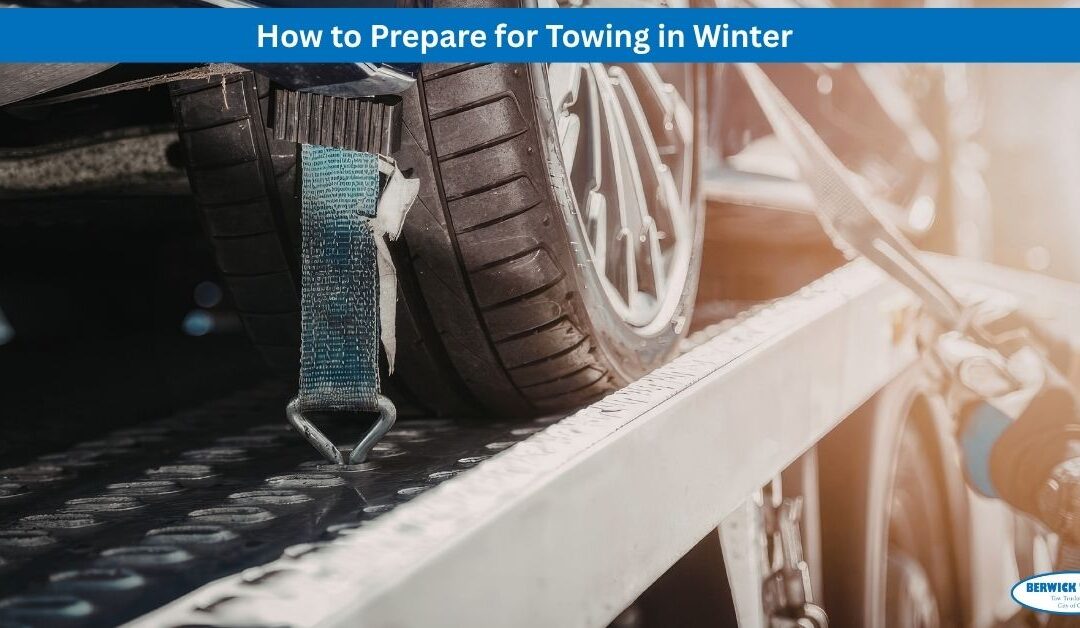
Winter presents some of the harshest and most unpredictable conditions for drivers. Snow, ice, freezing temperatures, and reduced daylight hours can all contribute to breakdowns and accidents. When a tow becomes necessary during winter, both drivers and tow truck operators must be prepared for the challenges involved. Preparing properly ensures safety, reduces delays, and helps protect your vehicle from further damage. Winter towing doesn’t have to be stressful if the right precautions and preparations are taken. Understanding how winter conditions affect vehicles and towing operations is the first step toward a smoother experience.
1. Winter Weather and Its Impact on Towing Needs
Winter weather changes the driving environment dramatically, and this increases the likelihood of breakdowns. Cold temperatures can weaken batteries, thicken engine fluids, reduce tyre pressure, and cause engines to struggle. Snow and ice create slippery road surfaces, making it easier for vehicles to lose control, slide into ditches, or become stuck. Tow truck companies see a significant rise in calls during winter months because even well-maintained vehicles can experience unexpected issues.
Visibility during winter becomes another concern. Snowfall, fog, and early darkness make it harder for drivers to see hazards on the road. Reduced visibility leads to more collisions and misjudgments. These conditions also make it more difficult for tow truck operators to locate stranded vehicles. Drivers who understand how winter affects their vehicles and travel conditions are better prepared for emergencies and more aware of when they might need towing services.
2. Preparing Your Vehicle Before Winter Conditions Hit
Proper preparation before winter weather begins can reduce the chances of needing a tow. A full vehicle inspection is essential. Batteries should be tested because cold temperatures reduce their power output. Tyres must have sufficient tread, and winter or all-terrain tyres are recommended for snowy or icy roads. Fluids such as engine oil, coolant, and transmission fluid should be checked and replaced if needed to ensure they remain effective in low temperatures.
Windshield wipers and defrosting systems also play a critical role in visibility. Replacing worn wipers and ensuring the heating system works properly can prevent visibility problems that lead to accidents. Fuel levels should be kept high because a nearly empty tank can freeze in extreme cold. Vehicles should also be equipped with winter emergency supplies, including blankets, a torch, and basic tools. Taking these steps not only helps prevent breakdowns but also ensures drivers remain safe and comfortable if a tow becomes necessary.
3. What to Do Immediately After a Winter Breakdown
If a vehicle breaks down during winter, knowing what to do next can prevent the situation from becoming more dangerous. The first step is to stay calm and help make the vehicle visible to others. Hazard lights should be turned on immediately. If possible, the car should be moved to the safest available spot, such as the shoulder of the road or a flat area away from traffic. Snow can hide curbs, ditches, or obstacles, so moving slowly and checking surroundings carefully is necessary.
Drivers should stay inside the vehicle if traffic is heavy or the ground is icy. Outside conditions may be slippery, and approaching vehicles may lose control, especially on icy roads. Staying inside the car with seatbelts on provides more protection. If the vehicle is stuck in snow, drivers should avoid spinning the tyres too hard because this can dig deeper into the snow and make winching more difficult. Once in a safe position, drivers should contact a towing service and describe the situation clearly, including location, road conditions, and whether the car is stuck or damaged. Providing precise information helps the towing team prepare the correct equipment.
4. How Towing Companies Prepare for Winter Tows
Tow truck companies undergo extensive preparation during winter to handle the sharp increase in calls and the additional hazards. Trucks are equipped with winter tyres or chains to ensure traction on icy roads. Operators conduct regular maintenance checks to ensure hydraulics, winches, and electrical systems operate reliably in cold temperatures. Fuel additives may be used to prevent diesel fuel from thickening in extreme cold.
Tow truck operators also receive winter-specific training. They learn how to position trucks safely on icy surfaces, how to secure vehicles covered in snow, and how to adjust towing techniques to avoid further damage. Winching skills become especially important because many winter calls involve vehicles stuck in snowbanks or ice patches. Operators must understand how to distribute weight properly and prevent vehicles from sliding during loading.
Emergency lighting systems are also crucial, especially during snowstorms or dark winter evenings. Bright flashing lights help approaching drivers see the tow truck from a distance. Operators wear reflective winter gear that keeps them warm while ensuring they remain visible. These preparations make winter towing safer and more efficient for both operators and drivers.
5. Ensuring a Safe and Smooth Towing Experience in Winter
A smooth winter towing experience requires good communication between drivers and towing operators. Providing accurate location details helps reduce search time, especially when snow makes landmarks difficult to see. Drivers should keep their phones charged or carry portable chargers during winter trips. This ensures they can contact a towing service and remain reachable during emergencies.
Keeping the vehicle clear of heavy snow helps operators attach towing hooks faster. If it is safe and easy to do so, removing snow from around tyres or bumpers can save time. However, drivers should never attempt to shovel or push their vehicle if the area is unsafe or slippery. Following the operator’s instructions is essential because tow truck professionals understand how to manage winter hazards.
Drivers can also protect their vehicles from additional damage by avoiding sudden movements or attempts to accelerate on icy surfaces. Patience is necessary during winter towing because conditions make operations slower and more methodical. Once the vehicle is loaded or secured, the tow truck operator will choose the safest route, even if it takes longer, to ensure both the driver and the vehicle reach their destination safely. Proper preparation and cooperation can turn a stressful winter breakdown into a controlled and safe towing experience.