
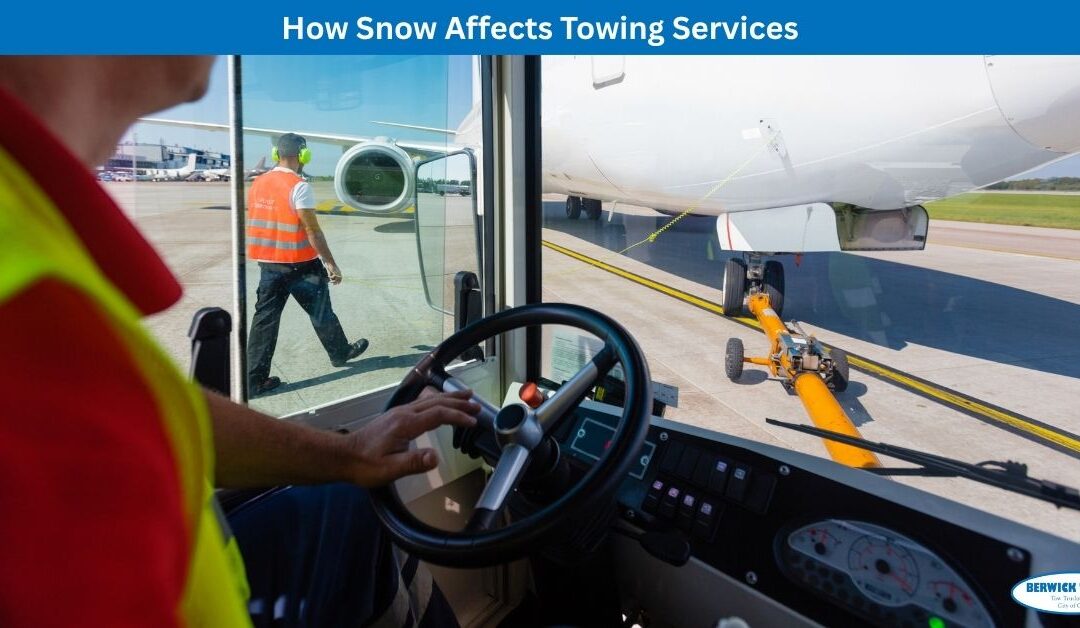
Snowy conditions create some of the most demanding challenges for towing companies. As temperatures drop and roads freeze, drivers face increased risks, and tow truck operators must adapt to dangerous situations. Snow changes how roads behave, how vehicles respond, and how towing operations must be handled. Understanding these challenges helps both drivers and towing professionals stay safe during winter weather. Snow impacts everything from response times to equipment requirements and operator safety, and recognising these factors is essential for effective and secure towing services.
1. Why Snow Increases the Need for Towing Services
Snow-covered roads significantly increase the number of accidents and vehicle breakdowns. When snow begins to fall, traction decreases, visibility reduces, and road surfaces become unpredictable. Drivers may struggle to control their vehicles, especially if they are inexperienced or driving without proper winter tyres. This leads to more collisions, more vehicles sliding into ditches, and more engines failing due to the cold. Towing companies receive a large surge of calls during snowstorms because even minor mistakes can cause vehicles to become stuck or damaged.
In addition to accidents, cold temperatures affect vehicles mechanically. Batteries drain faster, fluids thicken, and engines may fail to start. Cars left outside during freezing conditions often refuse to turn over in the morning, prompting drivers to call for assistance. Snow also affects parking conditions, and cars parked on sloped or icy driveways may slide, requiring towing to reposition them. These challenges combine to make snowy weather one of the busiest periods of the year for tow truck companies.
2. The Operational Challenges Towing Companies Face in Snow
Snowy conditions force towing operators to work under pressure, often in freezing temperatures and dangerous environments. The first major challenge is road accessibility. Heavy snowfall can block roads, delay response times, and force tow trucks to navigate narrow lanes, icy paths, and snowdrifts. Even powerful tow trucks may struggle with slippery surfaces, requiring operators to use chains, winches, or additional equipment to maintain stability.
Visibility becomes another concern. Snowfall, fog, and early winter sunsets reduce visibility, making it harder for operators to locate vehicles or work safely on the roadside. In addition, snow hides hazards such as potholes, debris, or uneven ground, increasing the risk of tow truck damage. Operators must move slowly and carefully, and they often rely on experience and judgment to avoid dangerous situations.
Another operational challenge involves hooking up vehicles covered in snow or partially frozen to the ground. Snow accumulation around tyres and undercarriage areas makes it harder for operators to access tow points. Ice can make equipment difficult to use, and cold weather can stiffen cables and hydraulic lines. These conditions require extra time and effort, increasing the overall duration of each towing job.
3. How Towing Techniques Change During Snowy Weather
Snowy conditions require towing operators to adjust their methods to ensure safety. Traditional towing techniques may not be suitable on icy roads because vehicles can slide, jackknife, or shift dangerously during transport. Flatbed tow trucks are often preferred during snowy conditions because they provide full vehicle support and reduce the risk of further damage. Operators may need to use specific loading techniques that factor in slippery surfaces and uneven snow piles.
Winching becomes extremely common during snow-related calls. Many vehicles become stuck in snowbanks, slide off the road, or get lodged in icy ditches. Winch recovery requires careful positioning of the tow truck and precise control to avoid pulling the vehicle at the wrong angle. Operators must ensure the winch cable does not snap or shift suddenly due to tension on frozen surfaces.
Snow also forces towing professionals to use specialised safety strategies. They may place sand, salt, or traction mats under tyres to prevent slipping while loading the vehicle. Tow straps and chains must be applied carefully because cold temperatures can weaken materials. Every connection point is double-checked to prevent issues caused by ice buildup. These adjusted techniques help ensure that the vehicle and tow truck remain stable throughout the process.
4. Safety Risks Faced by Tow Truck Operators in Snow
Winter towing presents significant safety risks for tow truck drivers. Working on the roadside in snowy weather exposes operators to sliding vehicles, as many drivers lose control on icy roads. Even with warning lights and safety cones, vehicles may skid dangerously close to tow operators. Snow reduces stopping distances dramatically, meaning operators must constantly remain alert and prepared to react.
Hypothermia and frostbite are additional risks. Operators often work for long hours in freezing temperatures, handling metal equipment that becomes extremely cold. Snowfall and wind chill make conditions even harsher. Proper clothing, gloves, boots, and heated truck cabins become essential to keep operators safe and functional.
There is also the danger of equipment malfunction due to freezing. Hydraulic systems, steel cables, and electrical components may not respond correctly if they are too cold. Operators must inspect equipment more frequently during winter and be prepared for slow or irregular performance. Snow buildup on vehicles and tow trucks adds extra weight, which can affect balance and stability. These safety risks require operators to follow strict protocols and use their training to handle every situation carefully.
5. How Drivers Can Help Make Winter Towing Easier
Drivers play an important role in ensuring towing operations go smoothly during snowy weather. The first step is staying visible. Clearing snow from the vehicle, keeping hazard lights on, and parking in a safe location make it easier for tow trucks to locate the car. Drivers should stay inside their vehicle if it is safe, as standing on icy roads increases the risk of accidents.
Providing accurate information also helps speed up the process. Describing road conditions, vehicle position, and any damage helps towing operators prepare the right equipment before arriving. Drivers should avoid trying to dig out or push the vehicle if the snow is too deep or the ground is icy, as this can lead to injuries.
Proper winter vehicle preparation reduces the need for towing services. Maintaining batteries, using winter tyres, keeping fuel tanks above half, and carrying emergency supplies all help prevent breakdowns. When a tow becomes necessary, cooperative communication and following the operator’s instructions make the process safer and quicker for everyone involved.
Contact Us
Berwick Towing & Transport
27B William Rd
Berwick VIC 3806
(03) 7035 7815
www..berwick-towing.com.au/